Welcome to my practice, where your health and well-being are my top priorities. With a focus on bariatric and general surgery, I am dedicated to providing personalized care that aligns with your individual health goals.
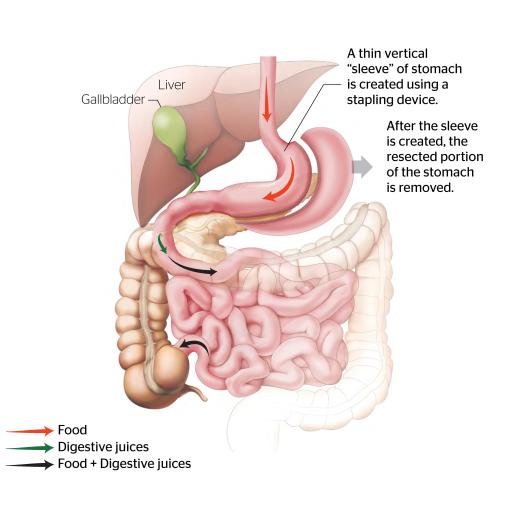
Sleeve gastrectomy is a minimally invasive weight loss surgery that reduces the stomach's size by approximately 80%, transforming it into a slender, banana-shaped tube. This alteration limits food intake and promotes a feeling of fullness after smaller meals, aiding in significant weight loss.
How Does It Work?
Beyond restricting food volume, sleeve gastrectomy impacts hormones related to hunger and satiety. By removing the portion of the stomach that produces ghrelin—the "hunger hormone"—patients often experience reduced appetite. Additionally, the procedure enhances the release of hormones like GLP-1 and PYY, which contribute to feelings of fullness and improved blood sugar control.
Benefits of Sleeve Gastrectomy:
Effective Weight Loss: Achieve substantial and sustained weight reduction. Improved Health Conditions: Alleviate obesity-related issues such as type 2 diabetes, hypertension, and sleep apnea. Enhanced Quality of Life: Experience increased energy levels and mobility.
Is It Right for You?
Sleeve gastrectomy is typically recommended for individuals with a Body Mass Index (BMI) of 35 or higher, especially when accompanied by obesity-related health conditions. A comprehensive evaluation will determine if this procedure aligns with your health goals and needs.
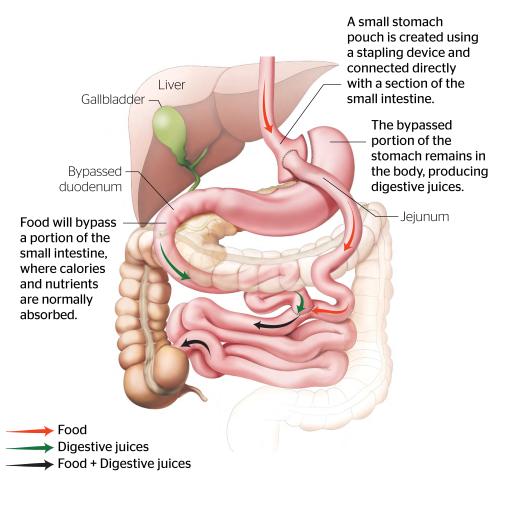
Roux-en-Y Gastric Bypass (RYGB) is a surgical procedure aimed at facilitating significant weight loss by altering the digestive system. The surgery involves creating a small pouch from the upper part of the stomach and connecting it directly to a segment of the small intestine. This configuration bypasses a substantial portion of the stomach and the initial part of the small intestine, leading to reduced food intake and decreased calorie absorption.
How the Procedure Works
The RYGB procedure combines restrictive and malabsorptive elements to promote weight loss. By forming a small stomach pouch, the amount of food one can consume is limited. Additionally, rerouting the small intestine alters the digestive process, leading to changes in gut hormones that suppress appetite and enhance satiety. These hormonal shifts also contribute to improved blood sugar control, benefiting individuals with type 2 diabetes.
Key Benefits of Roux-en-Y Gastric Bypass
Substantial Weight Loss: Patients often experience significant and sustained weight reduction.
Improvement in Obesity-Related Conditions: Conditions such as type 2 diabetes, hypertension, and sleep apnea may see marked improvement or remission.
Enhanced Quality of Life: Many individuals report increased energy levels and improved overall well-being post-surgery.
Effective Management of Acid Reflux: RYGB has been shown to alleviate symptoms of gastroesophageal reflux disease (GORD) through anatomical changes that reduce acid production and prevent bile reflux.
Considerations and Lifestyle Changes
While RYGB offers numerous benefits, it also necessitates lifelong commitments:Southwest Surgery
Nutritional Supplementation: Due to altered digestion and absorption, patients must adhere to a regimen of vitamin and mineral supplements to prevent deficiencies.
Dietary Adjustments: A structured eating plan focusing on nutrient-rich, portion-controlled meals is essential.
Regular Medical Follow-Up: Ongoing consultations with healthcare providers ensure optimal recovery and long-term success.
No smoking and no non-steroidal anti-inflammtory (arthritis) medicaions for life.
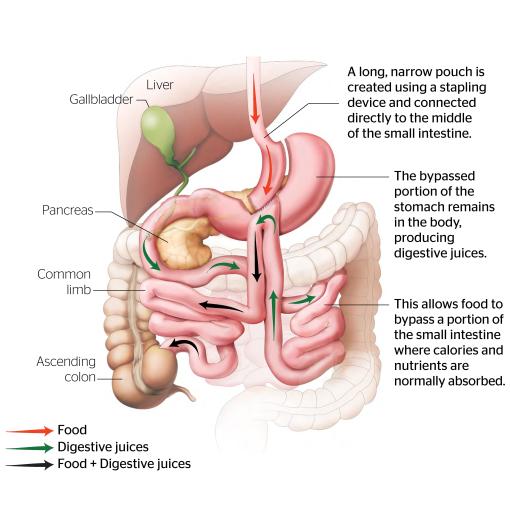
The Mini or One Anastomosis Gastric Bypass (OAGB) is a minimally invasive weight loss surgery that simplifies the traditional gastric bypass technique. It involves creating a long, narrow stomach pouch and connecting it directly to a loop of the small intestine, effectively bypassing a significant portion of the stomach and the initial segment of the small intestine. This design reduces the amount of food the stomach can hold and decreases the absorption of calories and nutrients, leading to weight loss.
How Does It Work?
OAGB combines restrictive and malabsorptive elements to promote weight loss. By forming a long, narrow gastric pouch, the amount of food one can consume is limited. Additionally, rerouting the small intestine alters the digestive process, leading to changes in gut hormones that suppress appetite and enhance satiety. These hormonal shifts also contribute to improved blood sugar control, benefiting individuals with type 2 diabetes.
Key Benefits of Mini / One Anastomosis Gastric Bypass
Effective Weight Loss: Patients often experience significant and sustained weight reduction.
Improvement in Obesity-Related Conditions: Conditions such as type 2 diabetes, hypertension, and sleep apnea may see marked improvement or remission.
Simplified Procedure: With only one surgical connection, OAGB typically involves shorter operative times and reduced complexity compared to traditional gastric bypass.
Enhanced Quality of Life: Many individuals report increased energy levels and improved overall well-being post-surgery.
Considerations and Lifestyle Changes
While OAGB offers numerous benefits, it also necessitates lifelong commitments:
Nutritional Supplementation: Due to altered digestion and absorption, patients must adhere to a regimen of vitamin and mineral supplements to prevent deficiencies.
Dietary Adjustments: A structured eating plan focusing on nutrient-rich, portion-controlled meals is essential.
Regular Medical Follow-Up: Ongoing consultations with healthcare providers ensure optimal recovery and long-term success.
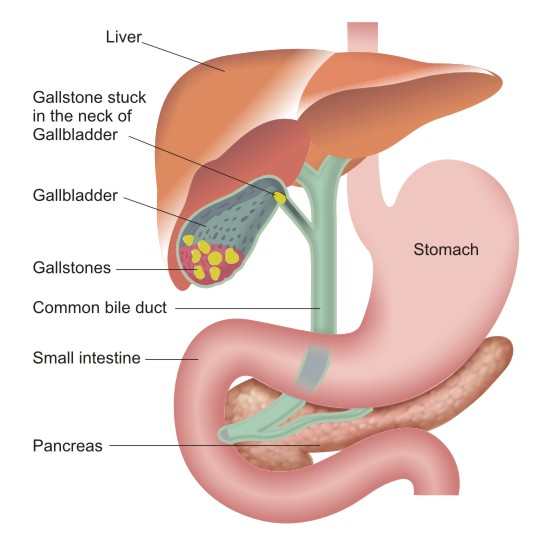
Gallstones are solid formations that develop within the gallbladder—a small organ located beneath the liver responsible for storing bile. These stones form when bile becomes overly concentrated or when the gallbladder doesn't empty effectively. While many individuals with gallstones remain symptom-free, others may experience significant discomfort and complications
Recognizing Symptoms and Potential Complications
Common symptoms associated with gallstones include:
Biliary Colic: A sudden, intense pain in the upper right abdomen, often radiating to the back or right shoulder, especially after consuming fatty meals.
Nausea and Vomiting: Accompanying the abdominal pain, these symptoms can indicate gallstone-related issues.
If left untreated, gallstones can lead to serious complications such as:
Acute Cholecystitis: Inflammation and infection of the gallbladder, potentially requiring hospitalization and urgent surgery.southwestsurgery.com.au
Bile Duct Obstruction: When stones block the bile ducts, leading to jaundice, infections, or pancreatitis.
Treatment
For individuals experiencing symptoms or complications from gallstones, the recommended treatment is:
Laparoscopic Cholecystectomy: A minimally invasive surgical procedure to remove the gallbladder. This approach typically involves small incisions, leading to faster recovery times and reduced postoperative discomfort. Patients generally return home the day after surgery and can resume normal activities shortly thereafter. In cases where laparoscopic surgery isn't feasible, an open cholecystectomy may be performed, necessitating a longer recovery period.
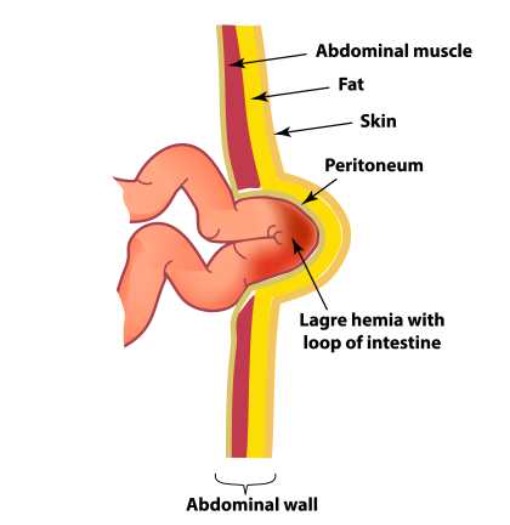
An abdominal wall hernia occurs when internal tissues or organs protrude through a weakened area in the abdominal muscles. This results in a noticeable bulge, which may cause discomfort or pain, especially during activities like lifting, coughing, or straining. Common types include inguinal (groin), umbilical (navel), incisional (at previous surgical sites), and epigastric (upper abdomen) hernias.
Symptoms and Diagnosis
Typical symptoms of an abdominal wall hernia include:
A visible bulge or lump in the abdomen or groin area.
Discomfort or pain at the hernia site, which may worsen with physical activity.
Diagnosis is usually made through a physical examination. In some cases, imaging tests like ultrasounds or CT scans may be used to assess the hernia's size and contents.
Treatment Options
Surgical repair is the definitive treatment for abdominal wall hernias. The procedure involves repositioning the protruded tissue and reinforcing the weakened area, often with mesh, to prevent recurrence. Surgery can be performed using:
Open Surgery: A traditional approach involving a larger incision to access and repair the hernia.
Laparoscopic Surgery: A minimally invasive technique using small incisions and specialized instruments, leading to quicker recovery and less postoperative pain.
The choice between open and laparoscopic surgery depends on factors like the hernia's size, location, and the patient's overall health.
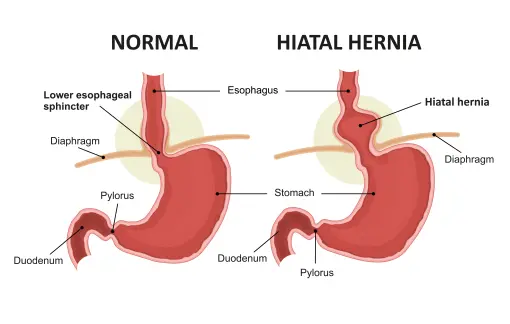
A hiatus hernia occurs when a portion of the stomach pushes upward through the diaphragm into the chest cavity. This condition can lead to various symptoms and, if left untreated, may result in complications.
Symptoms and Potential Complications
While many individuals with a hiatus hernia may not experience symptoms, others might encounter:
Heartburn or acid reflux
Chest pain
Shortness of breath
In severe cases, complications can include:
Obstruction
Strangulation of the stomach
Prompt medical attention is essential to prevent these serious outcomes.
Causes and Risk Factors
The exact cause of hiatus hernia is not always clear, but contributing factors may include:
Obesity
Heavy lifting or straining
Smoking
Certain medications
Understanding these risk factors can aid in prevention and management.
Treatment Options
Treatment for hiatus hernia depends on the severity of symptoms. Options include:
Lifestyle Modifications: Dietary changes, weight management, and avoiding triggers.
Medications: To reduce stomach acid and alleviate symptoms.
Surgical Intervention: In cases where conservative treatments fail or complications arise, laparoscopic surgery may be recommended to repair the hernia and prevent recurrence.
Gastro-Oesophageal Reflux Disease (GORD) happens when acid and stomach contents flow back into the oesophagus, causing symptoms such as heartburn, regurgitation, or chest discomfort. While many people manage GORD with lifestyle changes and medications, surgery may be recommended when:
Medications no longer effectively control symptoms
Long-term medication use is not ideal or desired
There are complications such as inflammation or narrowing of the oesophagus
Ongoing reflux symptoms affect quality of life, especially regurgitation or respiratory symptoms
How Surgery Helps
Surgical treatment aims to restore the natural barrier between the oesophagus and the stomach. The most common procedure is laparoscopic fundoplication, which:
Repositions the stomach back into the abdomen
Repairs any associated hiatus hernia
Wraps part of the stomach around the lower oesophagus to reinforce the valve mechanism
This approach reduces acid reflux and improves symptom control.
The Laparoscopic Fundoplication Procedure
This minimally invasive (keyhole) surgery is performed under general anaesthesia. It involves:
Making small incisions in the abdomen
Using a tiny camera and instruments to access the stomach and oesophagus
Tightening the area where the oesophagus meets the stomach
Creating a wrap using the upper part of the stomach to prevent reflux
The wrap may be complete (Nissen) or partial (e.g. Toupet), depending on the patient’s condition and surgeon’s assessment.
Expected Outcomes and Possible Side Effects
Most patients experience significant relief from reflux symptoms after surgery and often no longer need long-term medication. However, temporary side effects can occur:
Difficulty swallowing, which usually improves within six weeks
Inability to burp or vomit, which may require changes in eating habits
These effects are usually short-term and resolve with time.
Recovery After Surgery
Recovery is generally smooth and quick:
Most patients go home within two days of surgery
Return to light activities is possible within one to two weeks
Full recovery typically occurs within four to six weeks
Join our bariatric surgery support group and connect with others on the same journey! Share experiences, gain valuable insights, and receive the encouragement you need for long-term success.
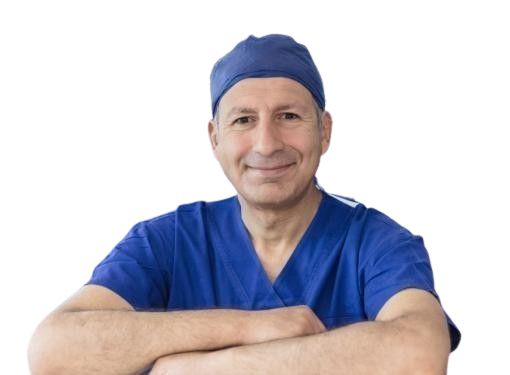
I am a specialist bariatric and general surgeon based in Campbelltown, NSW. I specialise in procedures such as sleeve gastrectomy, gastric bypass, gallbladder and hernia surgery, anti-reflux operations, and endoscopic diagnostics. My surgical training spans New Zealand and Sydney, and I also serve as a senior lecturer at Western Sydney University. I provide patient-centred care across both public and private hospitals using a multidisciplinary approach.
Eleifend mi in nulla posuere sollicitudin aliquam ultrices sagittis orci. Faucibus pulvinar elementum integer enim. Sem nulla pharetra diam sit amet nisl suscipit. Rutrum tellus pellentesque eu tincidunt. Lectus urna duis convallis convallis tellus. Urna molestie at elementum eu facilisis sed odio morbi quis
Eleifend mi in nulla posuere sollicitudin aliquam ultrices sagittis orci. Faucibus pulvinar elementum integer enim. Sem nulla pharetra diam sit amet nisl suscipit. Rutrum tellus pellentesque eu tincidunt. Lectus urna duis convallis convallis tellus. Urna molestie at elementum eu facilisis sed odio morbi quis
Eleifend mi in nulla posuere sollicitudin aliquam ultrices sagittis orci. Faucibus pulvinar elementum integer enim. Sem nulla pharetra diam sit amet nisl suscipit. Rutrum tellus pellentesque eu tincidunt. Lectus urna duis convallis convallis tellus. Urna molestie at elementum eu facilisis sed odio morbi quis
I am a specialist bariatric and general surgeon based in Campbelltown, NSW. I specialise in procedures such as sleeve gastrectomy, gastric bypass, gallbladder and hernia surgery, anti-reflux operations, and endoscopic diagnostics. My surgical training spans New Zealand and Sydney, and I also serve as a senior lecturer at Western Sydney University. I provide patient-centred care across both public and private hospitals using a multidisciplinary approach.